Nothing
is wasted.
Every harvest leaves something behind. We turn it into clean fuel, living soil, and cleaner air — and pay farmers for the privilege.
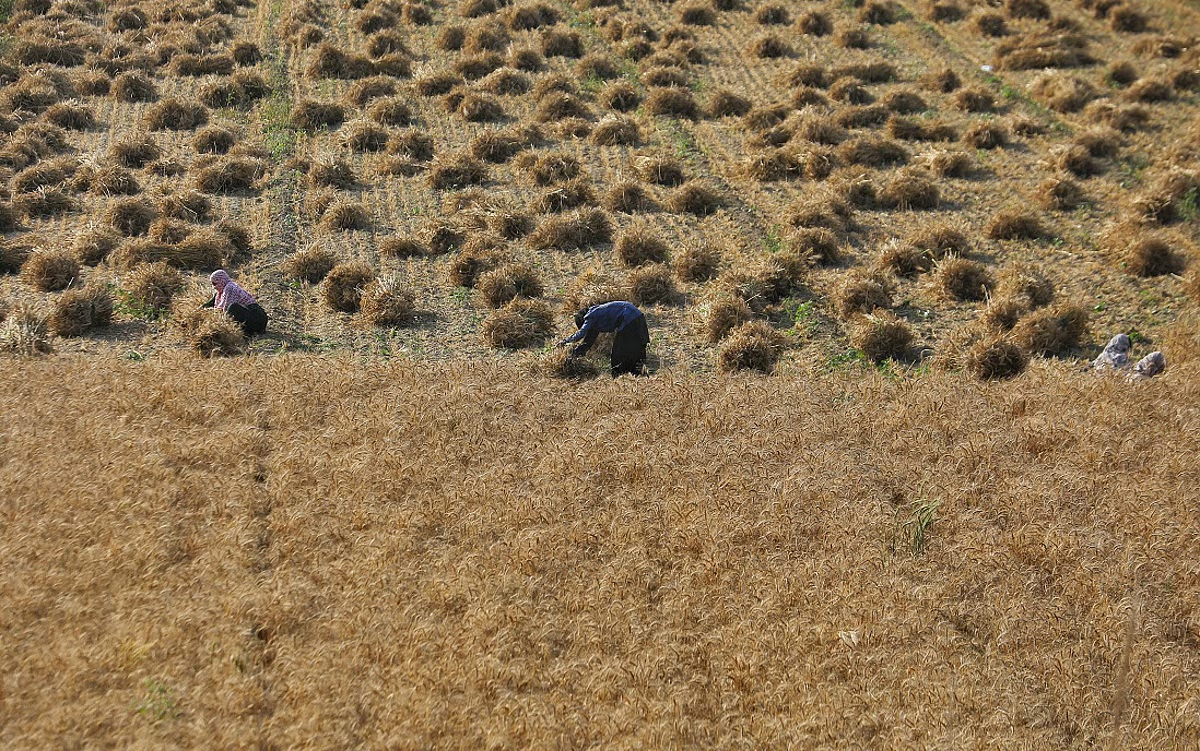
Two problems, standing a field apart.
Every year, farmers across India are left with hundreds of millions of tonnes of stalks, husks and residue. Most of it burns in the field, and the smoke darkens the air for everyone.
Meanwhile, India's power companies are legally required to blend clean biomass fuel into their coal boilers — and there isn't nearly enough of it in the country.
farmfuel sits precisely between those two problems — collecting residue from farms across India and supplying clean fuel across the globe.
Buy the waste
We pay farmers across India for the crop residue they would otherwise burn — turning a liability into income.
Transform everything
Residue becomes fuel pellets. What can't be pelletized feeds earthworms. Even the ash enriches organic manure.
Close the circle
Pellets fuel thermal power plants and industries across the globe. Compost and bio-fertilizer return to the same farmers for the next planting season.
One facility.
Two product lines.
Explore the products →Biomass fuel pellets
22 pellet types conforming to IS 18724:2024 — clean boiler fuel for power plants and industries across the globe, made from crop residue instead of coal.
Bio fertilizer
27 organic fertilizers and manures — vermicompost, FYM, enriched manures, composts, and oil cakes that return life to the soil.
A mandatory customer, by law. India's Ministry of Power requires every coal thermal plant to co-fire biomass — starting at a 5% pellet blend and climbing to a compulsory 7%, with environmental-compensation fines levied on any utility that falls short. Demand isn't hoped for; it's enforced.
A surplus no one else wants. India generates 500–600 million tonnes of crop residue a year, of which 100–140 million tonnes is burned as surplus — the same smoke that chokes northern India each winter. We buy that liability as our raw material.
Demand growing across continents. In Europe and North America utilities have converted entire coal units to run on 100% biomass, with North America alone holding roughly 30% of the global pellet market. Asia-Pacific is the fastest-growing region — and it is shifting from forestry wood to the agri-waste pellets we make.
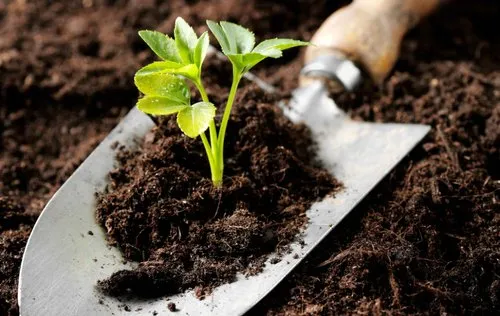
Soil that pays a second time. Decades of chemical NPK have pushed soil organic carbon below 0.5% in India's intense farming belts, against a healthy 1.5–2%. Our fermented organic manure and vermicompost rebuild it — and the government backs FOM under the Fertilizer Control Order with a ₹1,500-per-tonne subsidy.
For every tonne of carbon this facility emits, it removes roughly seventeen from the economy around it.
Read the impact story